Exploring Our Fabric Composition
Cotton is the ideal base fabric for shirt dresses and button-down dresses. It is moisture-wicking, breathable, skin-friendly, and hypoallergenic. Its high wet strength allows it to withstand repeated wear, and vintage details such as pearl buttons on the front and small collars are especially exquisite and timeless on cotton. However, cotton wrinkles easily and has poor elasticity, shrinking by 3% to 5% after the first wash. A vintage A-line skirt with a defined silhouette may slightly lose its shape after washing. It also dries relatively slowly and is prone to mold if stored in humid environments for extended periods. Therefore, it is important to protect cotton from moisture and mold when storing it for the changing seasons.

Linen and summer clothing have a natural affinity. Its thermal conductivity is five times that of cotton, making it three to four degrees cooler to the touch in the height of summer. Loose-fitting, retro-style vacation blouses are perfectly made of linen—it's quick-drying, odor-free even after long wear, and gets softer with each wash. The natural wrinkles that appear after years of wear actually add a touch of relaxed vintage charm. However, linen's elasticity recovery rate is only about two percent, and it's prone to wear and tear at folds, making it unsuitable for fitted, retro styles.

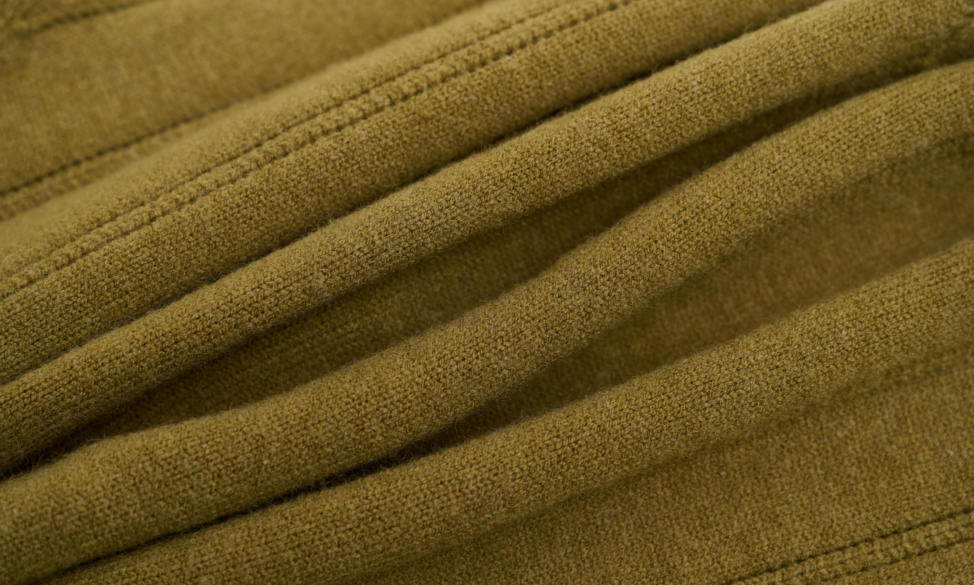
Wool forms the backbone of the retro autumn/winter season. Its crimped fibers trap air, making it the warmest of all natural fabrics. It also boasts excellent elasticity and wrinkle-resistant properties—which is why 1950s-style suits and coats still maintain their crispness and shape. It has a high moisture regain rate, making it breathable to wear, and is naturally stain-resistant and flame-retardant. However, it requires extremely high care: the scale layer shrinks irreversibly when exposed to water, heat, or rubbing; ordinary laundry detergents will dissolve the fibers; and it needs protection from moths and insects.

Rayon, made from natural cellulose fibers such as wood, plant stalks, or cotton linters, is the best cost-effective choice for creating the flowing feel of retro dresses. It has a silky feel, beautiful drape, and rich colors. The flowing lines of the wrap tea dresses popular in the 1940s and the A-line skirts of the 1950s were due to the excellent drape of viscose fiber. However, it has a fatal flaw—its wet strength is only 40-50% of its dry strength. It loses its shape easily when wet and rubbed, and must be hand-washed and laid flat to air dry; it cannot be treated roughly.

Lyocell is a regenerated cellulose fiber made from natural plant fibers using an environmentally friendly solvent method. It combines comfort, breathability, and high strength. Inheriting the silky drape of viscose, it increases wet strength to 80% of dry strength—a vintage Lyocell dress can be machine washed without losing its shape, which is significant for everyday wear. Furthermore, Lyocell garments are moisture-wicking and antibacterial, have a shrinkage rate of less than 3%, are suitable for all seasons, and have a solvent recovery rate exceeding 99%. It is the perfect modern fabric for those seeking a vintage style while adhering to sustainable principles.